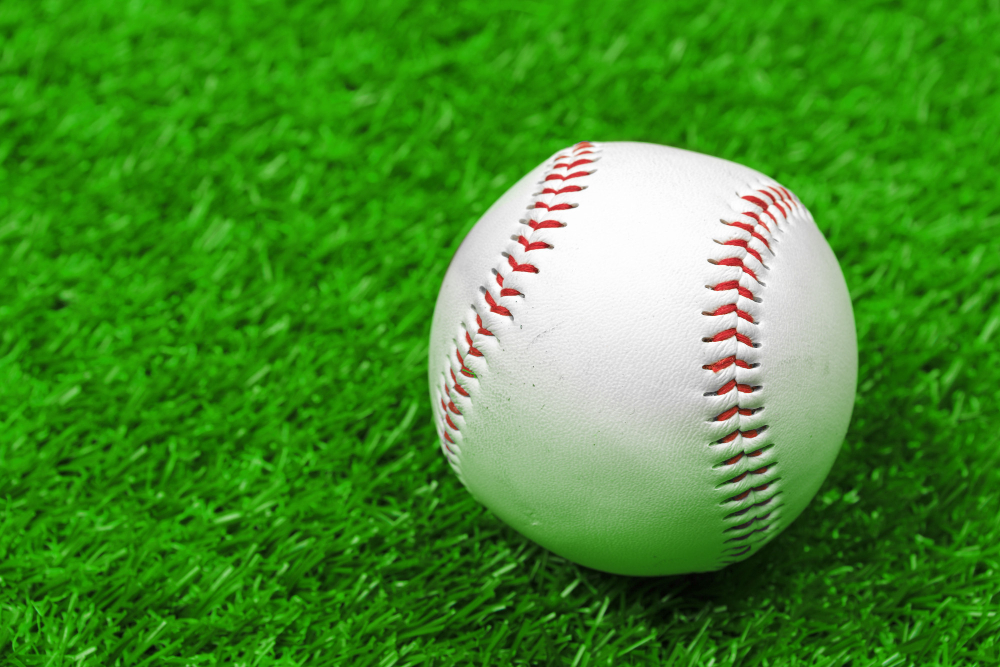
If you have a budding baseball star at home, you know the struggle of maintaining a natural grass practice area in Central Florida. Between our intense afternoon thunderstorms and the scorching sun, keeping real grass alive in a high-traffic batting cage is nearly impossible. That's why so many families are switching to synthetic options.
In our experience serving homeowners from Oviedo to Windermere, we've seen a massive surge in backyard sports setups. Parents want a safe, consistent place for their kids to practice without the mud, ruts, and brown patches that come with natural grass.
If you're considering an upgrade for your backyard, reliable artificial grass installation is the smartest move you can make. It solves the drainage issues inherent to our sandy soil and provides a pro-level surface right at home.
How Popular Are Backyard Batting Cages in Central Florida?
Backyard batting cages are becoming incredibly common in Orlando neighborhoods like Lake Nona and Winter Park, where youth sports culture is huge. We estimate that for dedicated baseball families, about 60% are moving away from natural grass or bare dirt in favor of artificial turf. Dirt gets too muddy during our rainy season (June through November), and grass simply can't survive the repetitive foot traffic of a batter's box.
The trend isn't just about aesthetics; it's about functionality. In Sanford and Lake Mary, where lot sizes often allow for larger setups, we see homeowners installing 50-70 foot cages. They need a surface that drains quickly so practice doesn't get rained out for days. Artificial turf allows players to get back to hitting just 15-20 minutes after a typical Florida downpour.
What Are the Benefits of Artificial Grass for Batting Cages?
Artificial grass offers a consistent, safe, and durable surface that natural grass cannot match, especially for high-impact sports. In a batting cage, players pivot and dig in at the same spot thousands of times. On natural grass, this creates deep holes and uneven footing within weeks, increasing the risk of twisted ankles. Synthetic turf handles that wear and tear without developing ruts.
Maintenance is another massive factor. With natural grass, you're mowing, edging, fertilizing, and dealing with pests like mole crickets or chinch bugs. With artificial turf, you save that time and money. For a standard 12x50-foot batting cage, you might save $500-$800 annually on water and maintenance costs alone. Plus, you won't be tracking mud into the house after practice.
If you're researching artificial turf installation Sanford residents rely on, you'll find that durability is the top selling point. Our customers tell us that the ability to practice year-round, regardless of the weather, gives their kids a competitive edge.
What Type of Turf Is Best for Batting Cages?
For batting cages, you need a short-pile, high-density turf, typically with a pile height between 3/4 inch and 1 inch. Unlike the lush, long-blade turf used for decorative lawns, sports turf needs to be firm. A shorter pile ensures the ball bounces predictably and prevents tripping hazards during drills.
We typically recommend nylon or polyethylene materials for these installations. Nylon is incredibly strong and heat-resistant, making it ideal for the friction caused by pivoting cleats. However, it can be pricier. Polyethylene is softer and often more affordable, working well for residential cages that get moderate use.
When we integrate a cage into a broader landscape design, we ensure the sports turf transitions smoothly into the rest of the yard. We can border the cage with decorative river rock or pavers to create a clean look that boosts curb appeal rather than looking like an eyesore.
How Much Does Batting Cage Turf Installation Cost?
Professional installation for a batting cage surface generally costs between $8 and $14 per square foot in the Orlando area. This price varies based on the type of turf you choose, site accessibility, and the amount of ground preparation required. For a typical 600-square-foot cage, you're looking at an investment ranging from $4,800 to $8,400.
This cost includes excavation, base preparation (crucial for drainage), the turf itself, and infill. While it's a higher upfront cost than sod, the longevity makes it worth it. A well-installed sports turf can last 15-20 years.
We recently quoted a project for artificial turf installation Sanford homeowners were considering, and they were surprised to learn that proper base prep is 60% of the work. If you skip this step to save money, the turf will wrinkle and hold water. Quality installation involves compacting a crushed stone base to ensure the surface stays flat and drains effectively for decades.
Can You Install Batting Cage Turf Yourself?
While you can technically install turf yourself, we strongly advise against it for high-performance areas like batting cages. The margin for error is slim. If the ground isn't leveled perfectly (within a fraction of an inch), the ball will take bad hops, and the batter will have poor footing.
DIY installations often fail in Florida because of our unique sandy soil. Without the right aggregate base, the ground shifts during heavy rains, causing the turf to sink or buckle. We have fixed countless DIY jobs in Dr. Phillips and Oviedo where the seams split apart after just one season.
Hiring a professional ensures the seams are bonded correctly and the infill is spread evenly. Professional installers use heavy-duty compactors and specialized seaming tape that you can't typically rent at a big-box store. For a safe, level playing field, expert installation is non-negotiable.
Maintaining Your Synthetic Turf in the Florida Climate
Maintenance for artificial turf is minimal, requiring only occasional brushing and rinsing to keep it in top shape. In Central Florida, debris from oak trees and pines is the biggest enemy. You should use a leaf blower or a stiff-bristled broom every week or two to keep organic matter from settling into the fibers. If that debris breaks down, it can affect drainage.
Because of our high humidity, we also recommend spraying the turf with a mixture of water and vinegar (or a specialized turf cleaner) once or twice a year. This prevents any mold or algae growth, particularly in shaded areas.
If you notice the fibers matting down in the batter's box area, simply brush them up with a power broom or add a small amount of silica sand infill. This keeps the surface supportive and safe for the ankles.
The Bottom Line on Backyard Baseball
Installing artificial grass for a batting cage is an investment in your property and your players' development. It turns a muddy, high-maintenance patch of yard into a professional-grade training ground that adds value to your home. Whether you live in a historic home in Sanford or a new build in Lake Nona, this upgrade pays off in durability and performance.
If you're looking for artificial turf installation Sanford locals recommend, or need help designing the perfect backyard sports complex anywhere in Central Florida, we are here to help. We understand the local climate and soil conditions better than anyone.
Ready to Build Your Field of Dreams?
Don't let rain delays ruin practice time. Contact From The Ground Up Landscaping today at (407) 501-2107 for a free estimate on your new batting cage turf.