It’s August in Central Florida, the humidity is 90%, and your grass looks brown despite the daily watering. Sound familiar? Homeowners in Apopka and Orlando often fight a losing battle against heat, chinch bugs, and sandy soil. You generally have two choices to fix this: installing fresh sod or switching to artificial turf.
Here is how to decide which option fits your budget and lifestyle.
How Does Sod Installation Work in Central Florida?
Sod installation involves removing old grass, prepping the soil with proper grading, and laying down pallets of mature grass like St. Augustine or Zoysia. In Central Florida, this process typically takes 1-2 days for an average residential yard. It provides an instant, natural look and a cooling effec,t but requires immediate, heavy irrigation to take root successfully.
The Process and Maintenance
When we handle a sod project, we don't just throw grass on dirt. We have to clear out the weeds and level the ground first. Once the sod is down, the work really begins for the homeowner.
- Watering: New sod needs water twice a day for the first few weeks.
- Mowing: During summer, you’ll be mowing St. Augustine grass every 5-7 days.
- Fertilizing: Florida’s sandy soil lacks nutrients, so you need a fertilization schedule at least 4 times a year.
Pros: It’s significantly cooler to the touch than artificial options and improves local air quality.
Cons: It demands constant water and is prone to pests like sod webworms, which are common in neighborhoods like Lake Nona and Winter Park.
While sod is the standard for most front yards, it struggles in high-traffic zones. If you're building a practice area for kids, batting cage turf installation is a smarter play than sod because natural grass dies quickly under cleats and constant running.
What Does Artificial Turf Installation Apopka Involve?
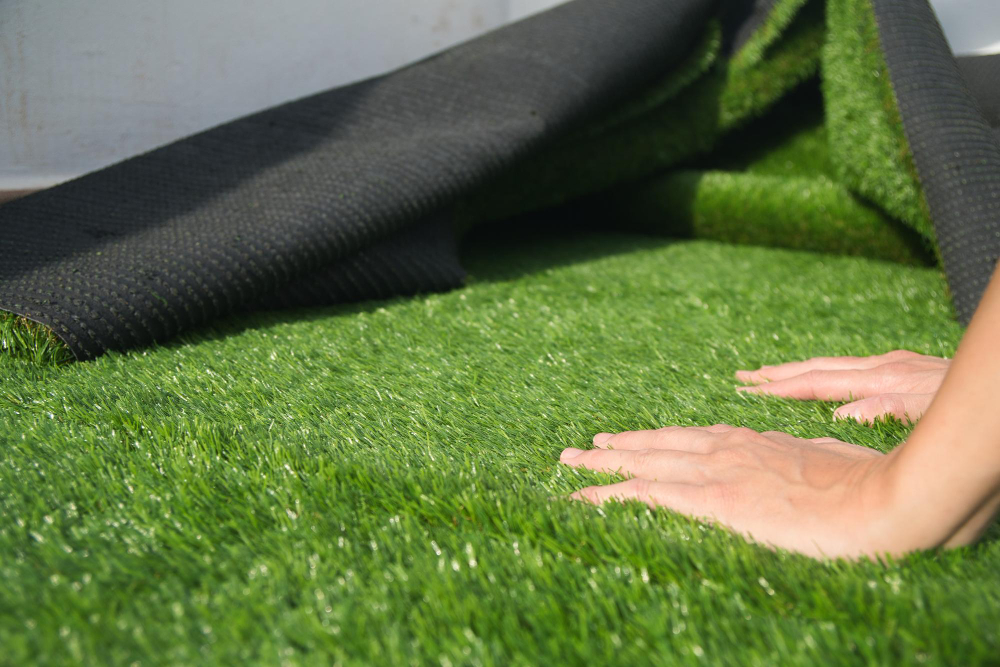
Artificial turf installation Apopka requires excavating 3-4 inches of soil, installing a compacted aggregate base for drainage, and securing the turf with nails and infill. This process creates a permanent, free-draining surface that lasts 15-20 years. Unlike sod, it doesn't need water, fertilizer, or sunlight to stay green.
The Installation Difference
The biggest difference here is the prep work. We have to build a sub-base that drains water quickly—often 30+ inches of rain per hour. This prevents puddles during those afternoon thunderstorms we get every summer.
- Materials: We use high-quality polyethylene or nylon fibers that resist UV fading.
- Infill: Sand or specialized silica is brushed into the fibers to keep them standing up.
Pros: You get a green lawn 365 days a year with zero watering. It's tough enough for big dogs and active kids.
Cons: The upfront cost is higher, and the surface can get warmer than natural grass in direct midday sun.
Many homeowners switch to artificial grass installation because it stops the endless cycle of mowing and chemical treatments.
Is Artificial Grass Cheaper Than Sod?
Sod is cheaper upfront, costing between $1.00 and $2.00 per square foot installed, while artificial turf ranges from $8.00 to $15.00 per square foot. However, artificial turf pays for itself in 5-7 years by eliminating water bills, fertilizer costs, and lawn service fees, which can run $150+ monthly in the Orlando area.
Here is the breakdown of where your money goes:
Cost Comparison
- Initial Investment: Sod is budget-friendly right now. Turf is an investment in your property value.
- Water Bills: An average Florida lawn needs about 1 inch of water per week. That adds up on your monthly utility bill. Artificial turf needs zero water.
- Maintenance: Sod requires about 40-50 hours of work per year (mowing, edging, weeding). Turf requires about 4 hours per year (rinsing and occasional brushing).
Durability Factors
In our years serving Central Florida, we’ve seen sod fail repeatedly in shady spots under big oak trees or in areas with poor drainage. Artificial turf installation Apopka solves this because it doesn't need sun to grow. It handles wear and tear that would turn natural grass into a mud pit.
Which Option Fits Your Apopka Home?
Choose sod if you want a lower upfront cost and prefer a naturally cool surface for children to play barefoot. Choose artificial turf if you have dogs, limited time for maintenance, or shady areas where grass won't grow. For many Apopka residents, the low maintenance of synthetic grass outweighs the initial price tag.
Who Should Stick with Sod?
- HOA Restrictions: Some strict HOAs in Seminole and Orange County still require natural grass in front yards. Check your bylaws first.
- Budget Focused: If you're preparing to sell your home soon, fresh sod is a quick, affordable way to boost curb appeal.
Who Should Choose Turf?
- Pet Owners: Dog urine burns natural grass and creates brown spots. Artificial turf rinses clean and stays green.
- Travelers: If you're a snowbird or travel for work, you won't come home to a jungle.
- Shady Yards: If you live in an established neighborhood with tree canopy cover, sod will likely thin out and die.
Ready to Transform Your Yard?
Whether you decide on the lush, natural feel of St. Augustine sod or the worry-free durability of artificial turf installation Apopka, getting the base layer right is the secret to a lawn that lasts. You don't have to spend another weekend sweating behind a lawnmower if you don't want to.
Contact From the Ground Up Landscaping at (407) 501-2107 today. We can come out to your property, check your soil conditions, and give you an honest recommendation on which solution works best for your home.