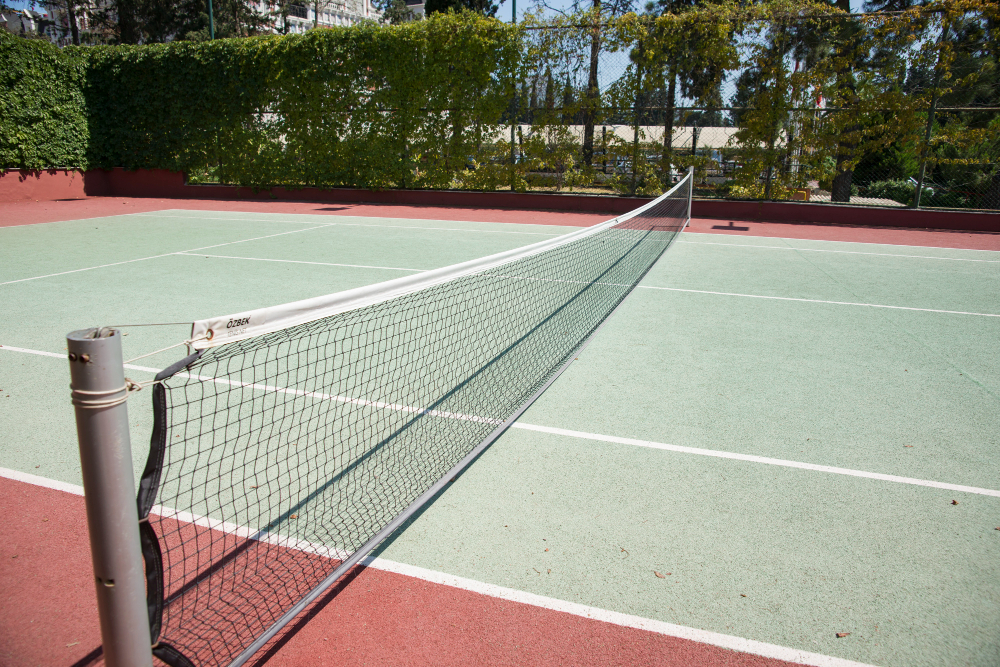
Living in Central Florida means we get to enjoy outdoor sports year-round, which makes a private tennis court a fantastic addition to any home. If you're planning a project in Windermere or Lake Nona, you're likely wondering how long you'll have to wait before you can serve your first ball. While every property is unique, a standard residential tennis court typically takes between 45 and 90 days from breaking ground to completion.
This timeline relies heavily on weather, permitting, and the specific surface you choose. We know you want to start playing as soon as possible, so understanding the process helps manage expectations. Here is a realistic breakdown of what goes into building a court in our local area.
What Factors Influence Construction Time?
Several variables impact your timeline, but permitting and site preparation are the biggest wildcards in Orlando. A standard court on flat land might take 60 days, while a site requiring extensive grading or retaining walls can push the project to 90 days or more. We also have to account for Florida's sandy soil, which sometimes requires additional stabilization before we can pour a base.
The type of tennis court installation you choose matters, too. For example, VersaCourt tile systems are generally faster to install than traditional clay courts, which require more meticulous layering. Accessibility is another factor; if our heavy machinery has a hard time getting into your backyard, the site prep phase will naturally take longer.
How Long Does the Permitting Process Take in Florida?
In Orange and Seminole counties, permitting typically takes 2-4 weeks, though this varies by municipality. If you live in a strict HOA community like Isleworth or Lake Nona, add another 2-3 weeks for the architectural review board (ARB) approval. Incomplete paperwork is the number one reason we see permits get stuck in the system, so accuracy here is vital.
We handle permitting for our clients because we know exactly what the local building departments need to see. This includes drainage plans, impervious surface ratio calculations, and setbacks. Don't skip this step; unpermitted courts can lead to hefty fines and even orders to remove the construction.
What Are the Typical Construction Phases?
Construction happens in four main phases: site preparation (1 week), base construction (2-3 weeks), surfacing (1-2 weeks), and finishing touches like fencing and lighting (1 week). Each phase requires specific cure times, especially for concrete or asphalt bases, which often need 28 days to fully cure before we apply any surfacing materials.
Here is a closer look at the workflow:
Site Preparation
This involves clearing vegetation, grading the land for proper drainage, and compacting the soil. In Florida, we have to pay close attention to water runoff. We can't have water pooling on your new court or draining into your neighbor's yard.
Base Construction
The base is the most critical part of the court. We usually pour post-tensioned concrete because it resists cracking better than asphalt in our humid climate. This step is where that 28-day cure time usually comes into play. You might see a "finished" slab sitting there for a month, but that waiting period ensures the concrete reaches full strength.
Surfacing and Amenities
Once the base cures, we install the playing surface. This is also when we install fencing and lighting. If you're looking to enhance the surrounding area, many homeowners opt for artificial grass installation around the court perimeter. This keeps the court cleaner than natural grass (no mud or clippings) and reduces maintenance.
How Does Weather Affect the Schedule?
Florida weather is the most common cause of construction delays, especially during the rainy season from June through September. Asphalt and acrylic coatings cannot be applied when it's raining or if the humidity is too high, as moisture trapped in the surface causes bubbling. We always build buffer days into summer schedules to account for those afternoon thunderstorms.
Even if it's not raining, the ground needs to be dry for heavy equipment to operate without tearing up your property. If we get a tropical storm or a hurricane scare, that can pause construction for a week or more. We monitor the forecast daily to keep your project moving safely.
Can I Speed Up the Process?
You can accelerate the process by having your land survey and property plat ready before you even contact a contractor. Knowing exactly where your property lines and easements are prevents delays during the design and permitting phase. Also, making quick decisions on colors, fencing, and lighting options keeps the momentum going once we start.
Another way to save time on maintenance later is to consider your landscaping choices now. For example, we have seen many clients request artificial turf Lake Mary homeowners prefer because it creates a manicured look without the weekly mowing. Making these decisions early prevents change orders that stop construction.
How Much Does a Court Cost?
A standard residential tennis court in the Orlando area generally costs between $50,000 and $100,000. Factors like LED lighting systems (which can add $5,000-$10,000), 10-foot vinyl-coated fencing, and premium modular tiles will adjust the final price. While it's a significant investment, a professionally built court can last 20+ years with proper care.
Budgeting for the surroundings is smart, too. Whether you want a simple border or the high-end artificial turf Lake Mary residents use for luxury backyards, landscaping impacts the total cost. We provide detailed estimates so you know exactly where every dollar goes, from the first permit fee to the final net installation.
Case Study: A Recent Timeline
We recently worked with a homeowner in Winter Park who wanted a multi-sport court. We applied for permits on day 1, received approval on day 21, and poured the concrete base by day 35. After the 28-day cure, we installed VersaCourt tiles and lights in just four days. The total project took exactly 68 days.
In contrast, another project involving artificial turf, Lake Mary landscaping, and extensive retaining walls took closer to 100 days due to complex drainage requirements. Every site tells a different story, but we communicate specific timelines once we inspect your property.
Ready to Start Your Project?
Building a tennis court is a process, but the result is a lifetime of family fun and exercise right in your backyard. Don't let the permitting and construction steps overwhelm you; that is what we are here for.
If you want an honest assessment of your property and a realistic timeline for your court, give us a call at (407) 501-2107. From the Ground Up Landscaping has the local experience to get your court built right, from the base to the net.