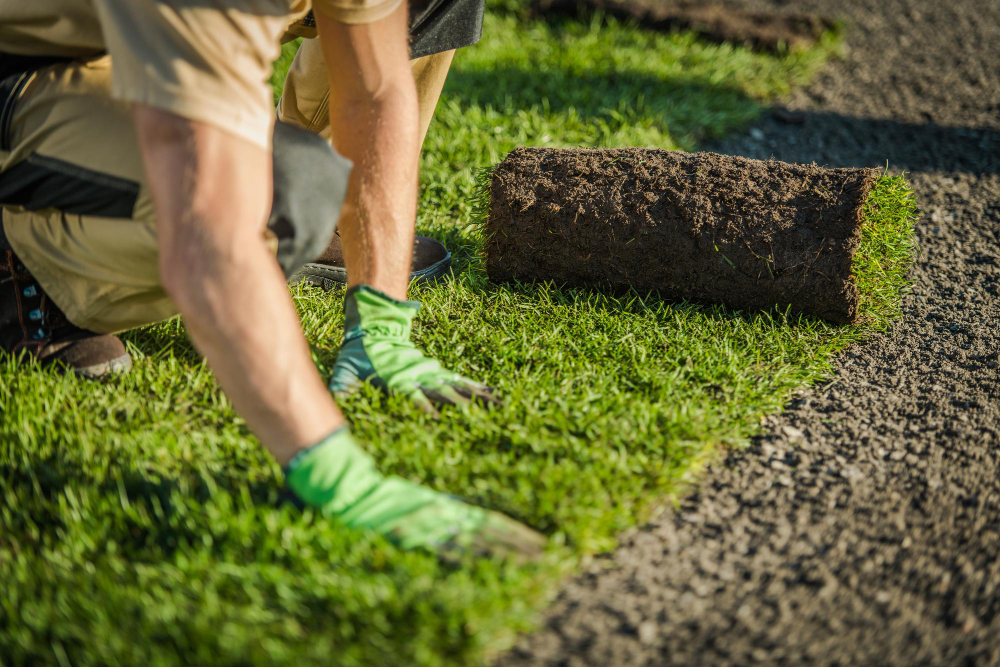
Florida homeowners know the struggle of keeping a natural lawn green. Between the scorching 90°F summers, sandy soil, and strict water restrictions, a lush yard often feels like an impossible dream. That's why many residents are switching to synthetic grass. While hiring a pro is the easiest route, a DIY installation is possible if you have the right tools and patience.
This guide walks you through the process of installing turf on dirt, ensuring your new yard looks great and drains properly during our heavy afternoon thunderstorms.
Is DIY Turf Installation Right for You?
Installing artificial turf yourself can save you about 50% of the project cost, which is mostly labor. However, it’s physically demanding work. A typical installation involves moving thousands of pounds of material. If you have a small area, like a 500-square-foot dog run or a side yard in Longwood, a DIY approach makes sense. For larger projects, the labor might outweigh the savings.
Before you start digging, consider the overall look you want. Effective landscape design integrates your new turf with existing pavers, flower beds, and drainage systems to create a cohesive outdoor space.
Step 1: Preparing the Area
How deep do you need to dig for artificial turf?
Excavate 3 to 4 inches of existing soil to make room for your sub-base and the turf itself. If you don't dig deep enough, your new lawn will sit higher than your patio or driveway, creating a trip hazard and an unnatural look.
Start by removing all existing grass, weeds, and organic matter. In neighborhoods like Winter Park where mature trees are common, you'll need to be careful of large roots. You can't just lay turf over grass; the organic material will decompose and cause your new lawn to sink and buckle.
Cap any sprinkler heads that will be covered. Since you won't need to water the grass anymore, you can repurpose those zones for drip irrigation in your flower beds or simply cap them off at the pipe.
Grading for Drainage
Florida’s daily summer storms drop massive amounts of water quickly. You must grade the dirt so water flows away from your home’s foundation. Aim for a 1-2% slope (about a 1/4 inch drop per foot) toward a drainage area or the street.
Step 2: Installing a Solid Base Layer
What is the best base for artificial grass?
Use 3 inches of crushed miscellaneous base (CMB) or decomposed granite. This material compacts tightly to create a stable surface while still allowing water to drain through. Never use regular potting soil or sand alone, as these will wash away or shift under foot traffic.
Spread your base material evenly over the area. This is where the heavy lifting happens. For a 500-square-foot project, you're looking at moving roughly 7 tons of rock.
Once the rock is spread, water it down lightly. This helps with compaction. Use a vibrating plate compactor (you can rent one for about $100/day) to pack the base down. You want it compacted to about 90% density. It should feel as hard as a concrete floor when you walk on it. If it feels spongy, run the compactor over it again.
This solid base is crucial for homeowners looking for durable artificial turf Longwood residents can enjoy for 15-20 years.
Step 3: Laying the Artificial Turf
How do you secure artificial grass to the ground?
Secure the turf using 40D - 60D 5-inch non-galvanized nails spaced every 6 inches along the perimeter and every 2 feet throughout the center. This keeps the turf flat and prevents it from shifting during use or heavy winds.
Roll out your turf and let it sit in the sun for at least an hour. The heat helps the backing relax, making it easier to manipulate. This is especially helpful during our hot Central Florida afternoons.
Cutting and Seaming
If your area is wider than the turf roll (usually 15 feet), you'll need to seam pieces together. This is the trickiest part of artificial grass installation.
- Cut off the factory edge strip (the "selvage") from both pieces.
- Line up the pieces so the stitch rows match perfectly. The blades must face the same direction.
- Fold the edges back and lay down seam tape.
- Apply adhesive to the tape and carefully fold the turf back down.
- Walk along the seam or use a weighted roller to bond it.
When cutting around curves or obstacles like trees, use a sharp utility knife and cut from the back (the backing side) to avoid cutting the grass blades.
Step 4: Finishing Touches
Why do you put sand on artificial grass?
Infill helps weigh the turf down, protects the backing from UV rays, and keeps the grass blades standing upright. Without it, your turf will look flat and mat down quickly.
Use a drop spreader to apply silica sand or an antimicrobial infill (great for pets). You'll typically need 1.5 to 2 pounds of infill per square foot.
Once the sand is down, use a power broom or a stiff-bristled push broom to brush the granules deep into the fibers. This process also blooms the blades, giving your artificial turf Longwood lawn that lush, natural appearance that rivals the manicured yards of Lake Nona.
Step 5: Maintenance Tips
How do you maintain synthetic turf in Florida?
Rinse your turf weekly if you have pets to flush out urine and prevent odors. For general maintenance, use a leaf blower to remove debris like leaves and twigs.
While artificial grass is low maintenance, it's not "no maintenance." In shady areas, keep an eye out for moss growth, though this is rare with proper drainage. Every few months, give the high-traffic areas a good brushing with a stiff broom to fluff the fibers back up.
Ready for a Green Lawn?
Installing artificial turf Longwood homeowners love, is a big project, but the payoff is a beautiful, green yard 365 days a year with zero mowing. By following these steps—proper excavation, a solid rock base, and careful seaming—you’ll have a professional-grade result.
However, if moving tons of rock and spending your weekend compacting soil doesn't sound like fun, we’re here to help.
Need Help With Your Landscape Project?
We have the team and the tools to get the job done right the first time. Contact From the Ground Up Landscaping at (407) 501-2107 today for a free estimate.